Why Your Professional Reputation Starts Before Your First Job
I think one of the biggest misconceptions students have is believing their professional identity starts after graduation. WRONG!
Like somehow there is this invisible switch that flips senior year where suddenly:
“Okay NOW I need to look professional.”
“NOW I should build LinkedIn.”
“NOW I should think about networking.”
“NOW I should create a portfolio.”
But honestly, by the time most students start thinking about building a professional presence, they already have four years of experiences, projects, leadership opportunities, growth, and learning that never got documented anywhere. And I get why that happens. As a freshman, it is really easy to feel like nothing you are doing yet “counts.” You are taking general education classes…. I mean you aren’t even in your major classes yet… will you even keep that major you currently have?
You are trying to survive college…. Meeting people and figuring yourself out. So professional branding feels way too early.

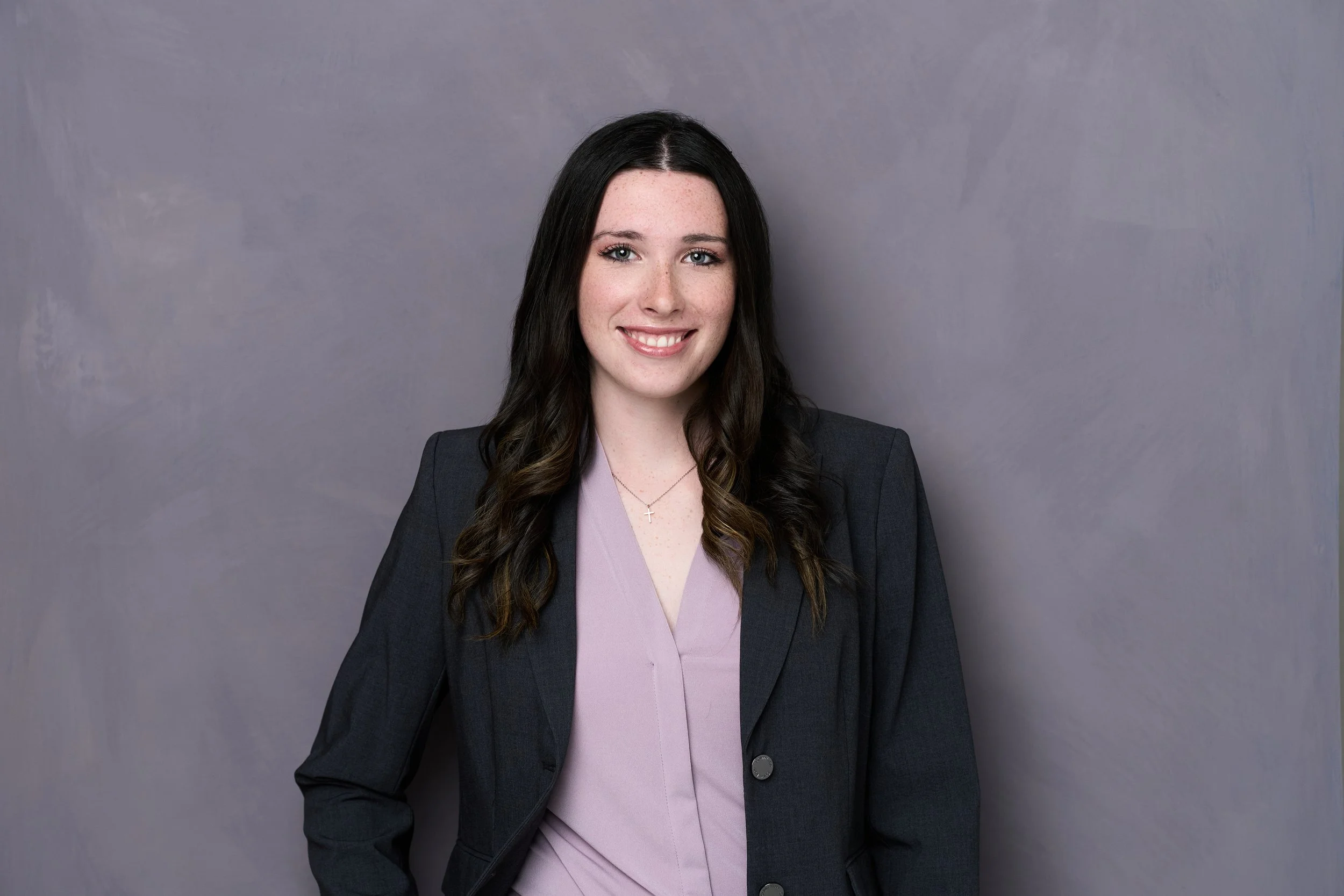
Find out more about this amazing K State architecture student at www.instagram.com/arch_by_char
Then sophomore year hits and suddenly life gets busy.
Classes get harder. You are juggling work, extracurriculars, maybe internships, relationships, leadership opportunities, and somehow just trying to stay afloat.
Professional networking still feels like something for “future you.”
Then junior and senior year arrive and suddenly everyone is:
applying for internships
building resumes
networking
interviewing
applying for graduate school
trying to stand out professionally
And that is usually when students realize, “Oh no… I wish I had started building this earlier.”
Because the students who stand out professionally often are not necessarily the smartest students. They are the students who created visibility around their growth consistently over time.
Not fake visibility.
Not influencer-style posting.
Not pretending to be an expert.
Just authentic documentation of what they are learning, doing, building, and becoming. Honestly, if I could give one piece of advice to almost any incoming college freshman, it would probably be this:
Start a LinkedIn account early.
And post consistently.
Not perfectly.
Not constantly.
Just consistently.
Share things connected to your interests and future goals.
That could look like:
a conference you attended
a project you completed
an article related to your field
leadership experiences
volunteer work
presentations
certifications
research
internships
classroom projects
networking events
things you are learning
organizations you joined
The important thing is not that every post is groundbreaking. The important thing is that over time, you begin building a body of work and a professional identity. Because eventually, future employers are not just looking at your resume.
They are looking at YOU.
What are you interested in?
What are you involved in?
Do you show initiative?
Are you engaged in your field?
Can you communicate professionally?
Do you seem curious?
Consistent?
Passionate?
Thoughtful?
And honestly, LinkedIn and professional platforms give students a way to answer those questions long before an interview ever happens. One thing I think students underestimate is how powerful visibility becomes over time. Professors remember students they see consistently engaged and mentors remember students who share their growth. Recruiters notice students who show interest in their discipline. and opportunities often come from familiarity long before they come from applications.
And no, this does not mean every student needs to become a content creator. That is not the point. The goal is not performance. The goal is creating a record of your growth.
Because when interview season comes around, you suddenly have:
projects to reference
experiences to talk about
leadership examples
evidence of consistency
proof of involvement
professional connections
a clearer sense of your own story
Your online presence becomes an extension of your resume instead of just a blank profile with a name and graduation date. And honestly, I think this matters more now than ever because employers increasingly hire people, not just credentials.
They want to understand:
personality
communication
initiative
professionalism
culture fit
curiosity
authenticity
That is hard to communicate through a one-page resume alone.
And honestly, I think this is another really important conversation students need to hear.
TikTok has a place.
Instagram has a place.
Snapchat has a place.
I am not anti-social media at all. A lot of those platforms are fun, creative, social, and genuinely part of modern life and culture.
But I do think students should intentionally create at least one space online that functions as a professional portfolio and long-term representation of who they are becoming professionally.
Because while your personal social media often captures your social life, LinkedIn gives you a place to document:
growth
leadership
projects
internships
conferences
volunteer work
certifications
presentations
research
career interests
And honestly, future employers are already searching for you online anyway.
Which means whether intentional or not, your digital footprint is already becoming part of your professional story.
After working in student affairs at the university level, specifically in Greek life and student leadership, and now also having two graduates myself, I can honestly say this conversation is very real. Social media is absolutely your choice to have or not have. You do not owe the internet access to your personal life.
But if you DO choose to participate in social media, you should understand that it will likely be used to evaluate you professionally at some point. That is simply the reality students are growing up in now.
Future employers, graduate programs, internship coordinators, scholarship committees, and professional organizations are often searching online to get a fuller picture of who someone is beyond a resume. And honestly, I do not say that in a fear-based way. I just think students should approach social media with awareness and intentionality.
A good general rule is:
Do not put anything online that you would not be comfortable becoming public….like what would grandma say?
Because even with private accounts, screenshots exist, sharing exists, and digital footprints tend to last much longer than people expect.
At the same time, I also think students have a huge opportunity here. If you are already spending time online, I strongly suggest creating at least one professional platform dedicated to building your future presence intentionally.
Not because you need to suddenly become overly corporate or fake. But because LinkedIn gives you a space to begin documenting:
growth
leadership
projects
internships
volunteer work
conferences
certifications
classroom experiences
professional interests
Over time, that creates something incredibly valuable:
a visible story of where you are headed.
Plus honestly… you start forgetting things.
Use LinkedIn almost like an ongoing online resume.
As you:
complete community service projects
win awards
join organizations
attend conferences
finish internships
complete certifications
take on leadership roles
gain new responsibilities, paid or unpaid
add them.
Keep it current.

Because by the time senior year rolls around, it becomes really hard to remember every experience, project, leadership role, or accomplishment you have built over several years. Keeping your professional presence updated along the way makes building resumes, applications, graduate school packets, and interview conversations so much easier later. Your future self will absolutely thank you for it.
Do you have a dream workplace someday?
A company you would LOVE to work for?
A graduate program you admire?
An organization that aligns with your values or career goals?
Follow them on LinkedIn.
Pay attention to what they post.
Read their articles.
Watch what they value.
See how they communicate.
And honestly, engage with them thoughtfully when it makes sense.
Not in a fake networking way.
Not in a stalker-ish way.
Not by commenting on every single thing they post.
But with genuine curiosity and sincerity.
If they share something meaningful to your field, comment thoughtfully.
If they post about a conference or initiative you care about, engage with it.
If an article genuinely teaches you something, share it and talk about why it resonated with you.
Because over time, this does a few really important things.
First, it helps you start understanding the culture and conversations happening inside your future field.
Second, it helps you become more visible professionally in a very natural way.
And third, it shows future employers something incredibly valuable:
that you are already invested in the industry before you ever apply for the job.
Honestly, one of the most attractive qualities in a future employee is genuine interest.
Not performative networking.
Not forced professionalism.
Real curiosity.
Real engagement.
Real enthusiasm for the work.
And sometimes simply being consistently present in professional spaces online helps create familiarity long before your resume ever lands on someone’s desk.
That visibility matters more than students realize.
And honestly, I think that consistency over several years becomes far more powerful than students realize.
It shows future employers that your interest in your field was not random or last-minute.
It shows that you have been thinking about, preparing for, and investing in your future for a long time.
And honestly, I think students should stop waiting until they feel “qualified enough” to start building a professional presence.
You do not need to be an expert to document your growth.
Actually, watching someone grow over time is often far more compelling than someone suddenly appearing online as a polished senior trying to package themselves perfectly.
Growth feels human. And authenticity builds trust. Even small consistent steps matter. One thoughtful post a month over four years creates something incredibly valuable: a visible story of who you are becoming. And honestly, that may become one of the biggest professional advantages students can build before they ever apply for their first real job.