Why Professional Headshots Matter More in the Age of AI
This might sound strange coming from a photographer, but let's start with the obvious: taking a picture has never been easier.
Most of us carry a camera in our pocket all day long. AI can generate a headshot in minutes. Filters can smooth skin, whiten teeth, erase wrinkles, and make us look like we woke up refreshed and ready to conquer the world. If creating an image is easier than ever, it seems like professional headshots should be less important, not more.
But that's not what I'm seeing.
In fact, I'm seeing more professionals, businesses, nonprofits, and organizations investing in professional photography than ever before. And I don't think it's because people suddenly love having their picture taken. Most of the people who walk into my studio would tell you exactly the opposite.
The difference is that the challenge isn't creating a photo anymore. The challenge is creating trust.
A few years ago, people worried about looking professional. Today, many people are wondering if what they're looking at is even real. We've all seen AI-generated images, heavily filtered photos, and portraits that have been edited so much they barely resemble the person standing in front of the camera. The technology is impressive, but sometimes the result feels strangely hollow. It looks right, but it doesn't feel right.
That's where things get interesting.
As technology has made it easier to create perfect images, authenticity has become more valuable.
Think about how often we meet people online before we meet them in person. Maybe it's a company website, a LinkedIn profile, a speaker bio, a nonprofit board page, or a social media account. Before someone hears your voice, shakes your hand, or sits across from you at a conference table, they've often already formed an impression.
Your photo isn't replacing a handshake. In many cases, it's becoming the handshake.
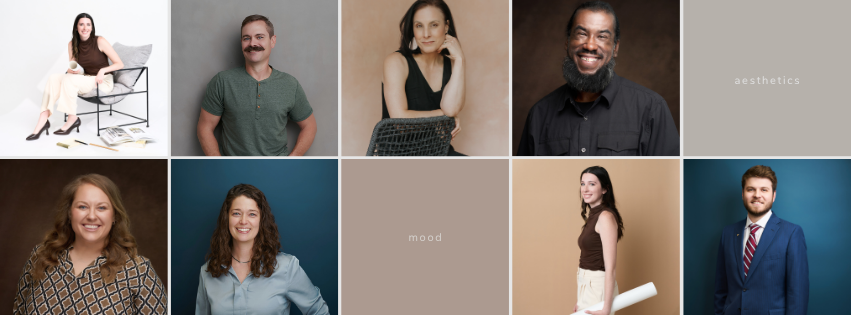
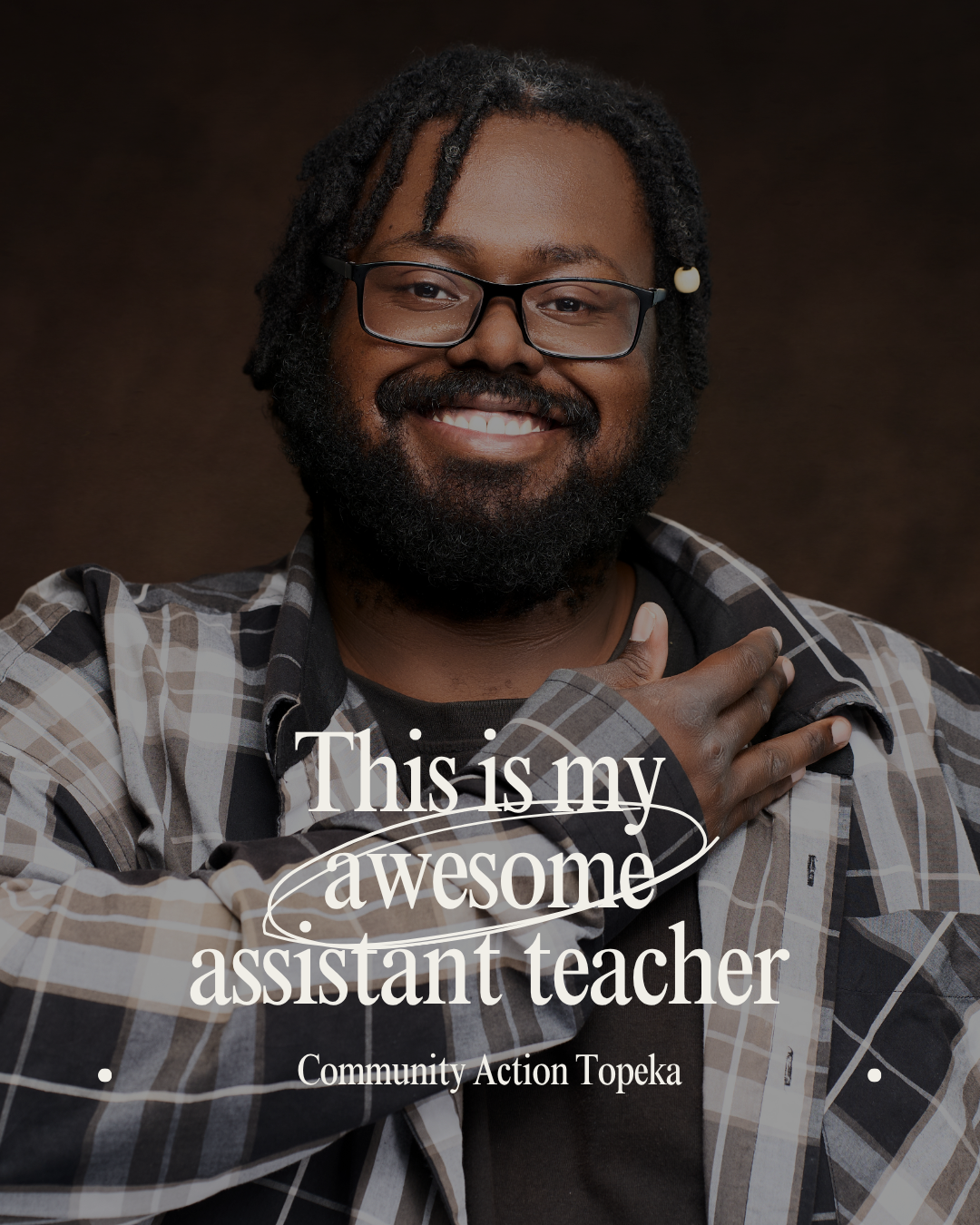
I'm seeing this happen right here in Topeka and throughout Northeast Kansas. Recently, I've photographed teams from Community Action and CoreFirst Bank & Trust, as well as professionals like Dr. Jimmy Keen, a chiropractor serving the Holton community. On the surface, those clients don't have much in common. One is a nonprofit. One is a financial institution. One is a healthcare provider and small business owner.
But they were all trying to solve a similar problem.
They wanted their image to match the quality of the work they do every day.
Not a random photo from years ago. Not a cropped vacation picture. Not something generated by AI that sort of looks like them. They wanted a photograph that felt real and reflected who they are today.
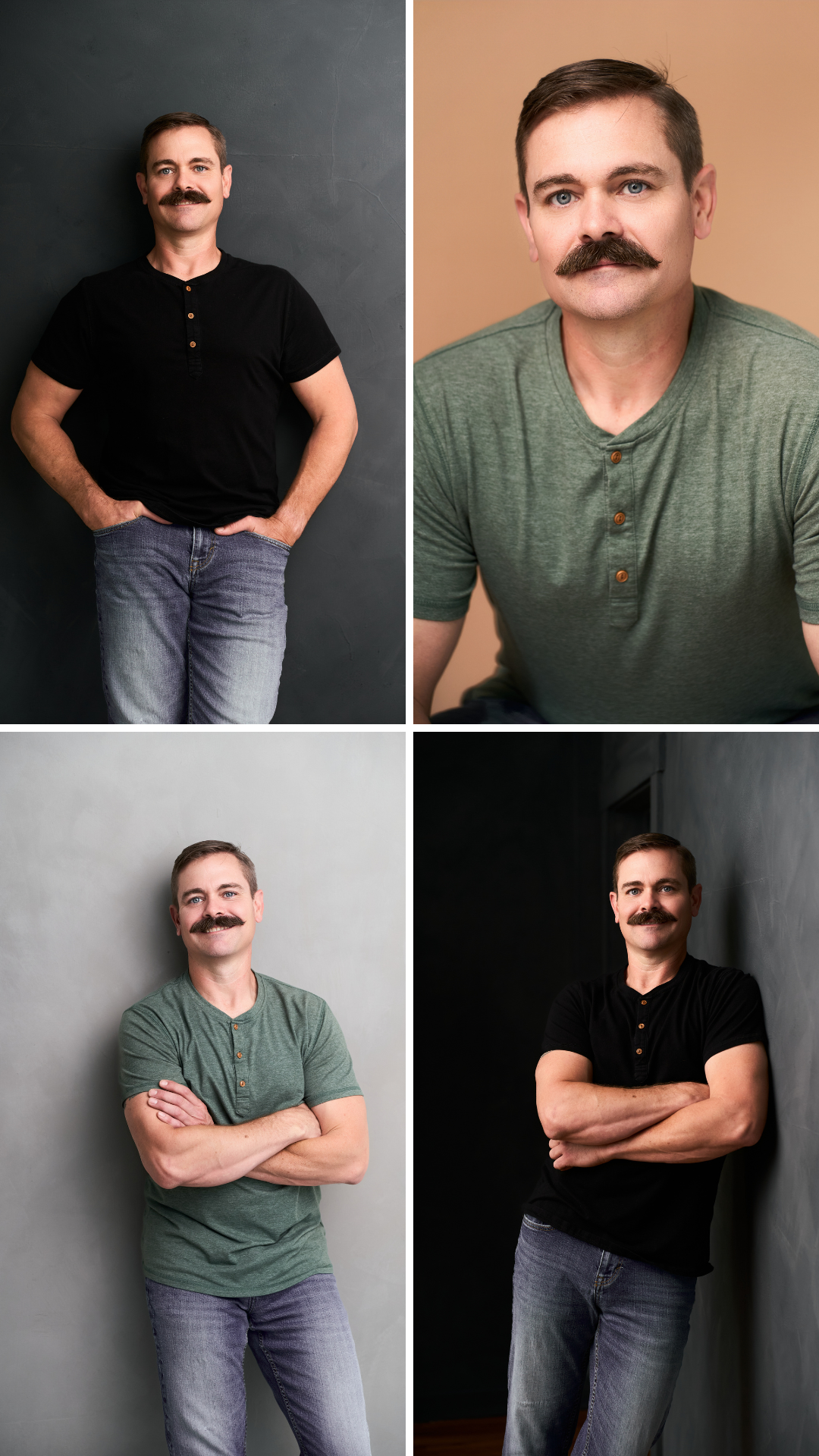
What I've found interesting is that very few people are asking to look perfect anymore. The most common request I hear is much simpler.
"I just want it to look like me."
That's a completely different goal.
People aren't looking for perfection. They're looking for confidence. They're looking for competence. They're looking for approachability. They want to look like themselves on a really good day.
And honestly, I think that's because we've all developed a pretty good radar for when something feels off.
Maybe it's just me, but when I land on a website and something doesn't feel genuine, I tend to back away. Not dramatically. I don't consciously decide not to trust someone. But that little trust radar starts going off.
You've probably felt it too.
You see a photo that's technically flawless. The skin is perfect. The smile is perfect. Everything about it should make you trust the person more. Yet somehow it has the opposite effect. You can't always explain why. It just feels off.
Maybe it's AI-generated. Maybe it's over-edited. Maybe the person was trying so hard to look professional that they accidentally removed everything that made them feel human.
Whatever the reason, something doesn't connect.
And when something doesn't connect, trust becomes harder.
I think in our quest to look more professional, many of us accidentally over-polished ourselves. We smoothed every wrinkle, removed every imperfection, filtered every detail, and ended up with a version of ourselves that looks impressive but doesn't feel believable.
The irony is that most people aren't looking for perfect. They're looking for real.
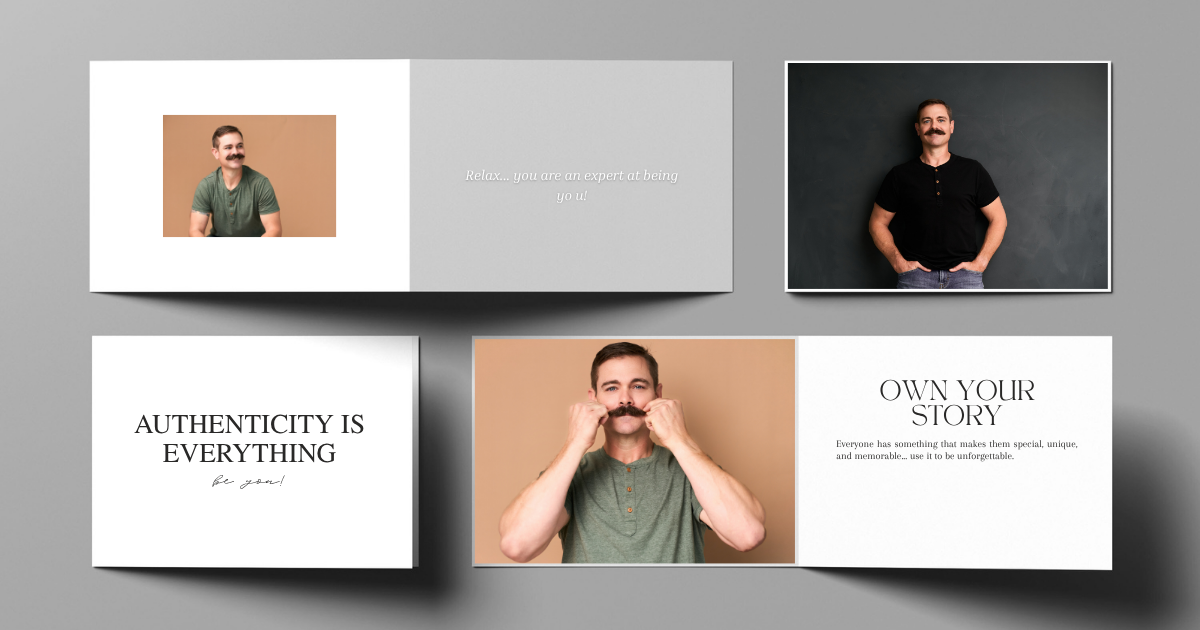
That doesn't mean professional photographs shouldn't be polished. They absolutely should be. Good lighting matters. Good posing matters. Thoughtful editing matters. But there's a difference between polished and plastic. There's a difference between professional and perfect.
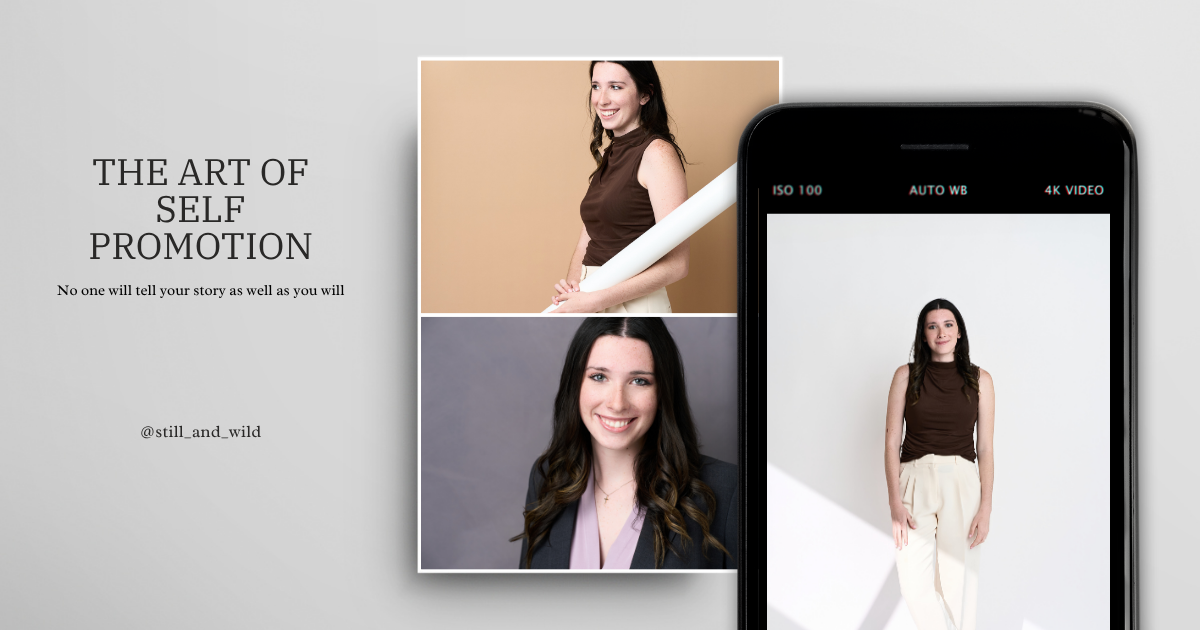
A great headshot doesn't create a better version of you. It helps people recognize the real one.
Organizations are feeling this shift too. Businesses, schools, nonprofits, and community groups are paying closer attention to how their teams show up online. A website filled with random selfies, outdated staff photos, and mismatched backgrounds sends a message whether we intend it to or not. Professional headshots create consistency, but they also create confidence. They help tell the story that there are real people behind the organization doing meaningful work.
Technology is going to keep evolving. AI isn't going anywhere. Smartphones aren't going anywhere. The tools will continue to get faster, better, and more accessible.
But I suspect something else will happen too. The easier it becomes to create artificial images, the more valuable authentic ones become. Not because they're perfect… Because they're believable.
Because they create connection. Because they build trust and in a world where trust feels harder to earn than ever, that may be the biggest reason professional headshots matter more today than they did ten years ago.
Not because people need a picture.
Because people need a reason to believe the person behind it. That is what I want to help create with you…trust and connection.